Pure Alpine Flow
Exploring natural mountain compounds and lifestyle fundamentals for daily vitality
Exploring natural mountain compounds and lifestyle fundamentals for daily vitality
High-altitude Alpine regions have long been recognized for their naturally sourced nutritive compounds. This educational resource explores the science behind pure mountain-sourced elements and their role in supporting men's general wellness and daily energy levels through lifestyle and nutritional foundations.
This site provides informational materials only. We do not provide medical advice, diagnosis, or treatment recommendations.
Quality sleep forms the foundation of men's physiological restoration and daily energy. During sleep, the body undergoes critical processes that support muscular recovery, hormonal balance, and cognitive function.

Foundational habits contribute significantly to sustained energy and functional capacity. These practices support overall well-being without requiring significant lifestyle changes.
Adequate fluid intake supports cellular function, temperature regulation, and nutrient transport. Water consumption directly impacts energy availability and physical performance throughout the day.
Controlled breathing exercises enhance oxygen utilization, reduce mental fatigue, and support parasympathetic nervous system activation. Simple techniques can be integrated into daily routines.
Regular light movement prevents muscular stiffness, improves circulation, and maintains metabolic activity during sedentary periods. Frequent short breaks are as effective as longer sessions.
Chronic stress impacts energy levels and recovery capacity. Simple practices like meditation, time in nature, or focused breathing reduce stress hormones and support daily vitality.
Functional movement patterns maintain muscular function and postural stability. These exercises support daily activities and enhance overall physical capacity.

Natural foods contain diverse compounds that support energy metabolism and overall function. Understanding food sources helps build sustainable nutritional practices.
Vegetables and fruits with high water content support hydration and provide essential minerals. Foods like cucumbers, leafy greens, and citrus fruits contribute to daily fluid intake while delivering micronutrients.
Natural compounds found in berries, nuts, and dark leafy greens support cellular protection. Antioxidants help manage oxidative stress and support energy production pathways.
Nuts, seeds, and quality oils provide fatty acids essential for hormone production and cellular function. Healthy fats support sustained energy levels and nutrient absorption.
Overview of selected minerals and vitamins with their natural sources and general metabolic roles.
| Element | Natural Sources | General Role in Metabolism | Origin Context |
|---|---|---|---|
| Vitamin K | Leafy greens, alpine herbs | Supports blood clotting and bone mineralization | Alpine plant compounds |
| Vitamin C | Citrus fruits, berries, fresh vegetables | Supports immune function and collagen synthesis | Mountain-grown produce |
| Calcium | Leafy greens, nuts, seeds | Essential for bone structure and muscular contraction | Alpine mineral sources |
| Potassium | Fruits, vegetables, nuts | Regulates fluid balance and muscular function | Natural plant sources |
| Flavonoids | Berries, dark leafy greens, herbs | Antioxidant support and cellular protection | Alpine plant compounds |
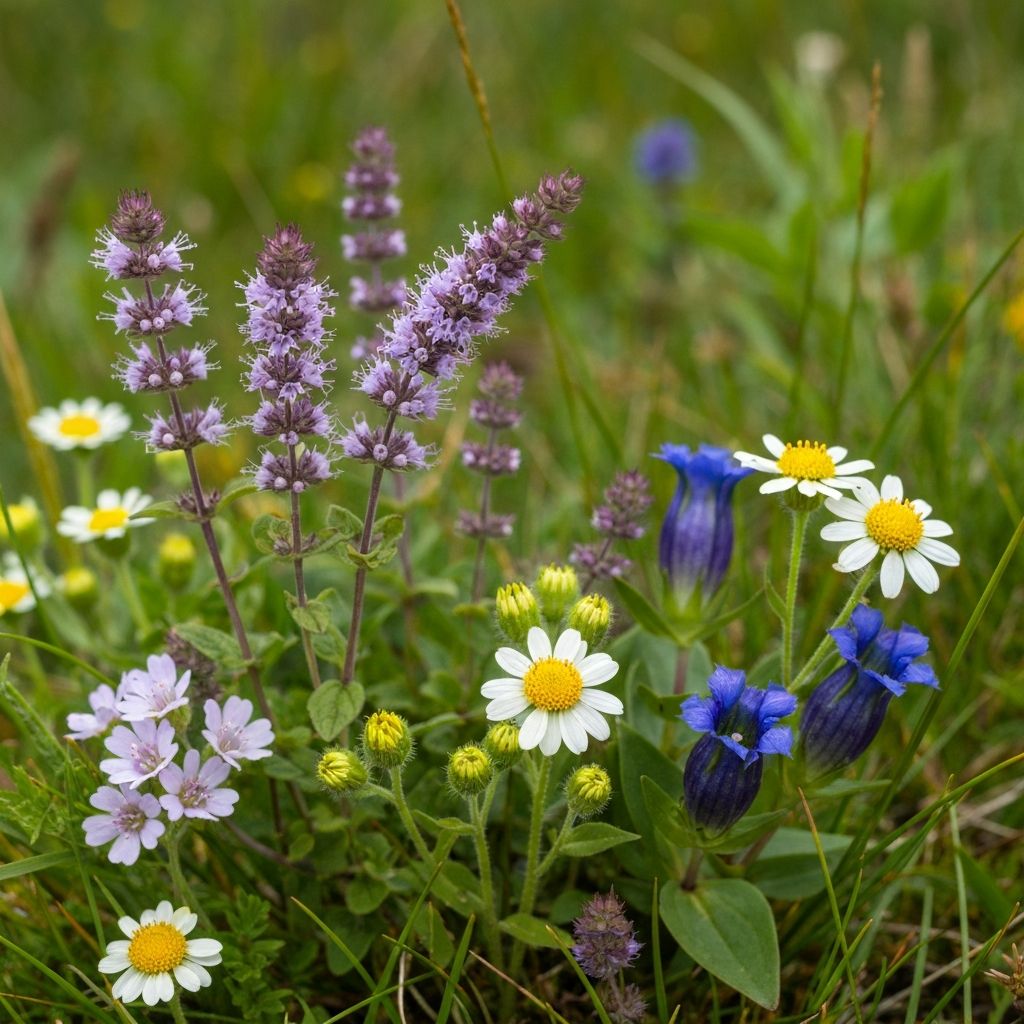
Alpine herbs have been traditionally recognized for their composition and role in supporting general wellness across various cultures and historical periods.
Mountain mint species contain menthol and other volatile compounds traditionally associated with digestive comfort and respiratory support. Used historically in Alpine regions for general wellness.
Gentian root compounds have been researched for their potential to support digestive function and general vitality. Alpine sources provide concentrated plant materials with historical use in European wellness traditions.
Arnica flowers contain active compounds studied for topical support of muscular comfort. Alpine regions produce high-potency specimens with concentrated beneficial compounds from high-altitude growing conditions.
Recovery practices support the body's natural restoration processes and prepare the system for subsequent activities.
Gradual reduction of intensity allows heart rate and breathing to normalize. Gentle movement prevents blood pooling and supports transition from activity to rest states.
Fluid intake during and after activity replenishes losses and supports continued physiological function. Electrolyte-containing fluids optimize cellular hydration more effectively than water alone.
Deliberate rest periods allow nervous system downregulation and muscular recovery. Practices like meditation or gentle breathing support parasympathetic activation and deep recovery.
Common inquiries about daily energy and wellness practices.
Neutral suggestions for expanded scientific and educational reading on related topics.
Peer-reviewed studies on sleep physiology, circadian rhythms, and recovery mechanisms provide scientific context for sleep's role in human performance and health.
Research literature on micronutrient metabolism, bioavailability, and metabolic function provides detailed information on how dietary compounds support physiological processes.
Scientific studies on movement, recovery, and adaptations provide evidence-based understanding of how physical activity supports health and functional capacity.
Ethnobotanical studies and clinical research on Alpine herbs document traditional uses and investigate active compounds and their potential mechanisms of action.
Psychoneuroimmunology research explains how stress impacts hormones, immune function, and recovery, and how mindfulness practices support physiological resilience.
Contemporary research on metabolic processes, cellular energy production, and factors affecting vitality provides scientific foundations for understanding daily stamina.
Educational Content Only: This website provides purely informational materials intended for educational purposes. All content is presented neutrally without commercial intent.
No Medical Advice: Nothing on this site constitutes medical diagnosis, treatment, or professional medical advice. This is not a substitute for professional medical consultation.
Individual Variation: Responses to lifestyle practices and nutritional approaches vary significantly among individuals. What works for one person may not work for another.
Professional Consultation: Consult with qualified healthcare professionals before making significant changes to your health practices, especially if you have pre-existing conditions.
No Liability: PureMountainFlow is not responsible for consequences arising from use of this information. Users assume full responsibility for their choices.